Home › Guides

Sourdough Guides
These eight guides are the whole path from an empty jar to a baked loaf, in the order most bakers actually need them. Start at the top if you are building a starter this week. If your jar already exists and something is wrong, jump straight to the stall, hooch or readiness guide: each one stands on its own and tells you what to do next rather than everything there is to know. Every timing, ratio and temperature here matches what the Sourdoughy app tells you in the kitchen.
Start here and work down
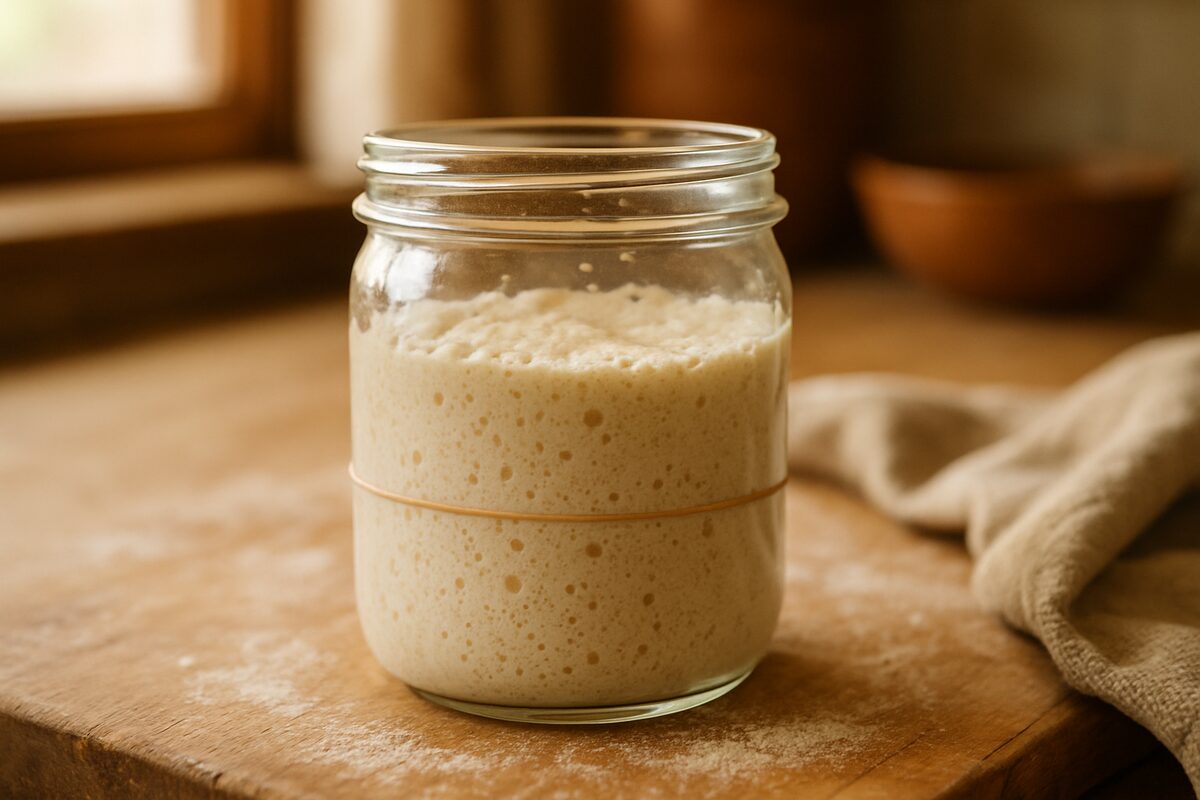
How to Make a Sourdough Starter from Scratch
Flour, water and 7 to 14 days. What each stage looks like, and how to tell when it is genuinely ready.
Read the guide →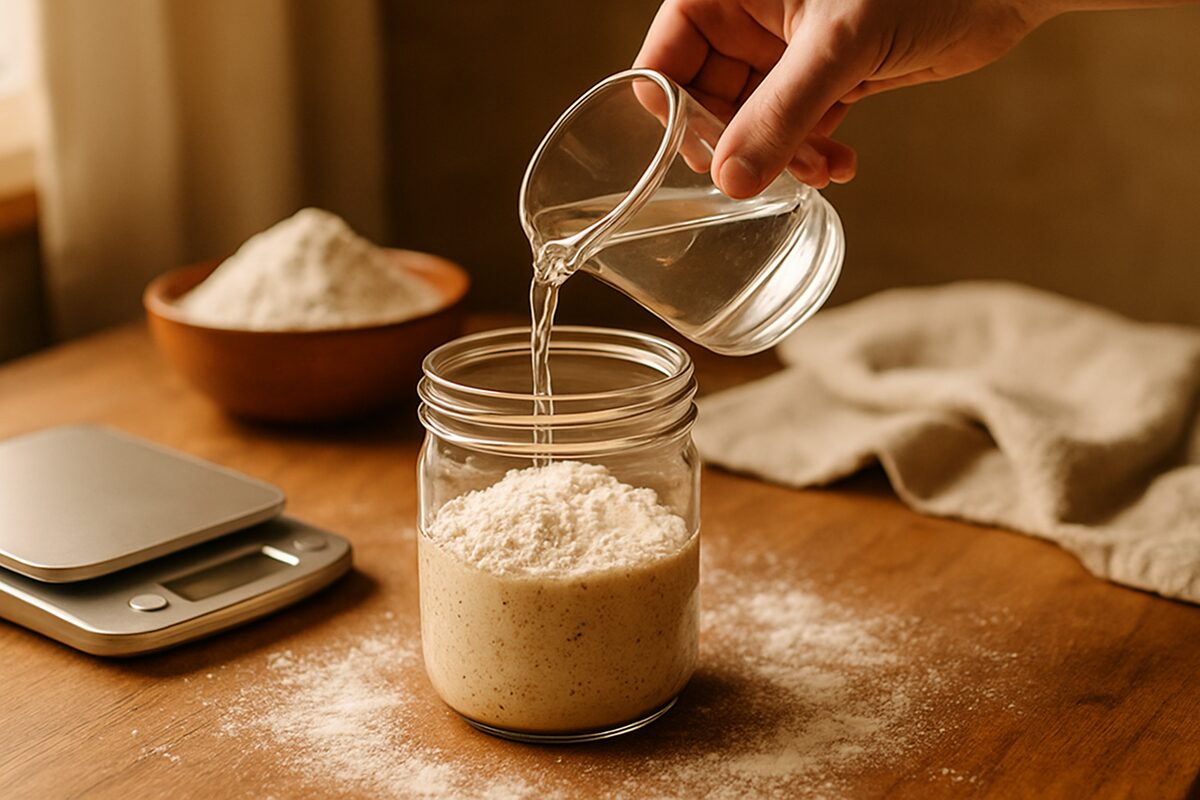
The Sourdough Starter Feeding Schedule That Actually Sticks
How often to feed, which ratio to use, and when the fridge is the smarter choice.
Read the guide →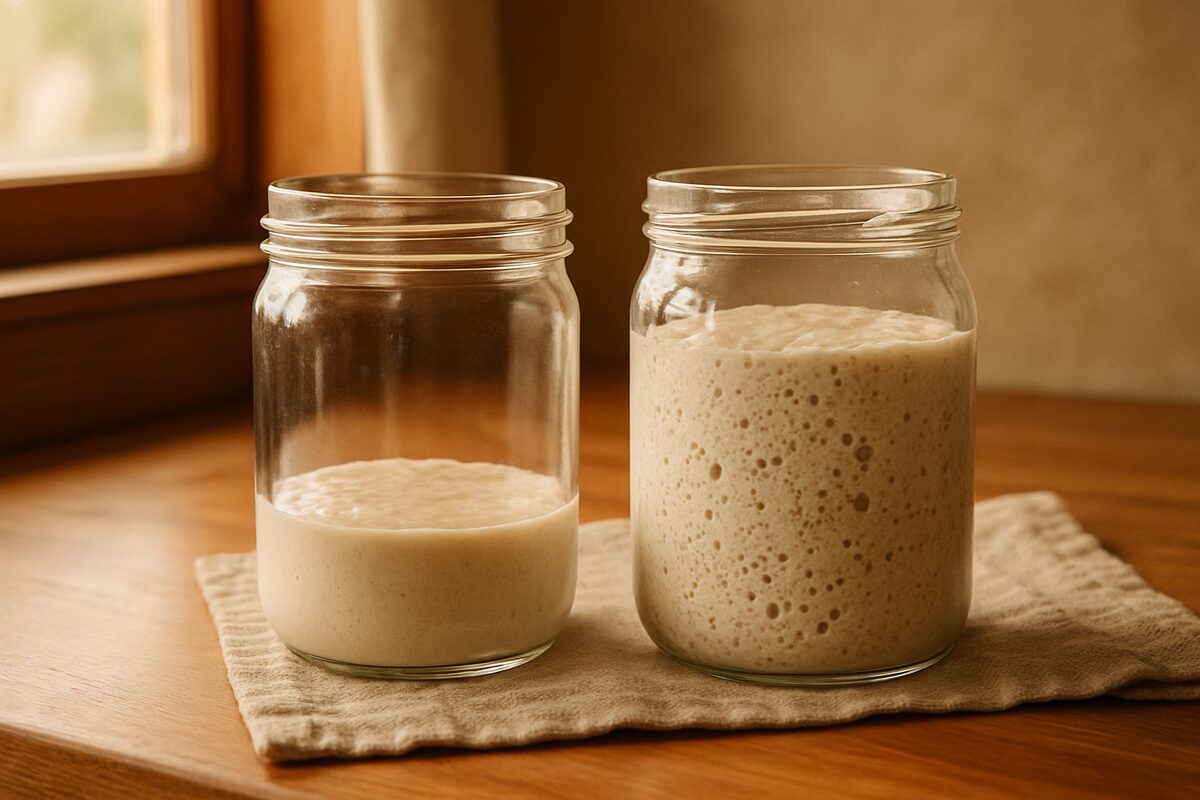
Sourdough Starter Not Rising? Here's Why, and the Fix
Young, cold or underfed. How to work out which one you have, and the fix for each.
Read the guide →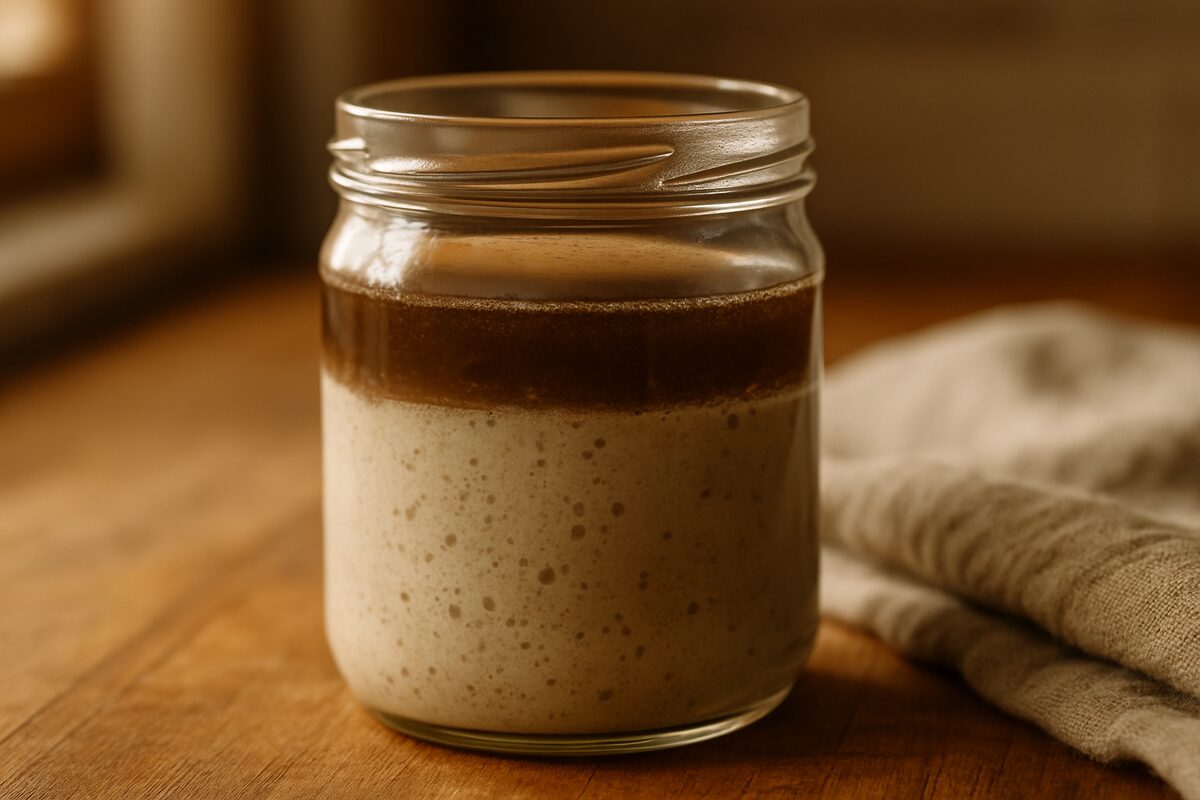
Hooch: the Liquid on Top of Your Sourdough Starter
The gray liquid is hunger, not mold. Pour it off or stir it in, then feed properly.
Read the guide →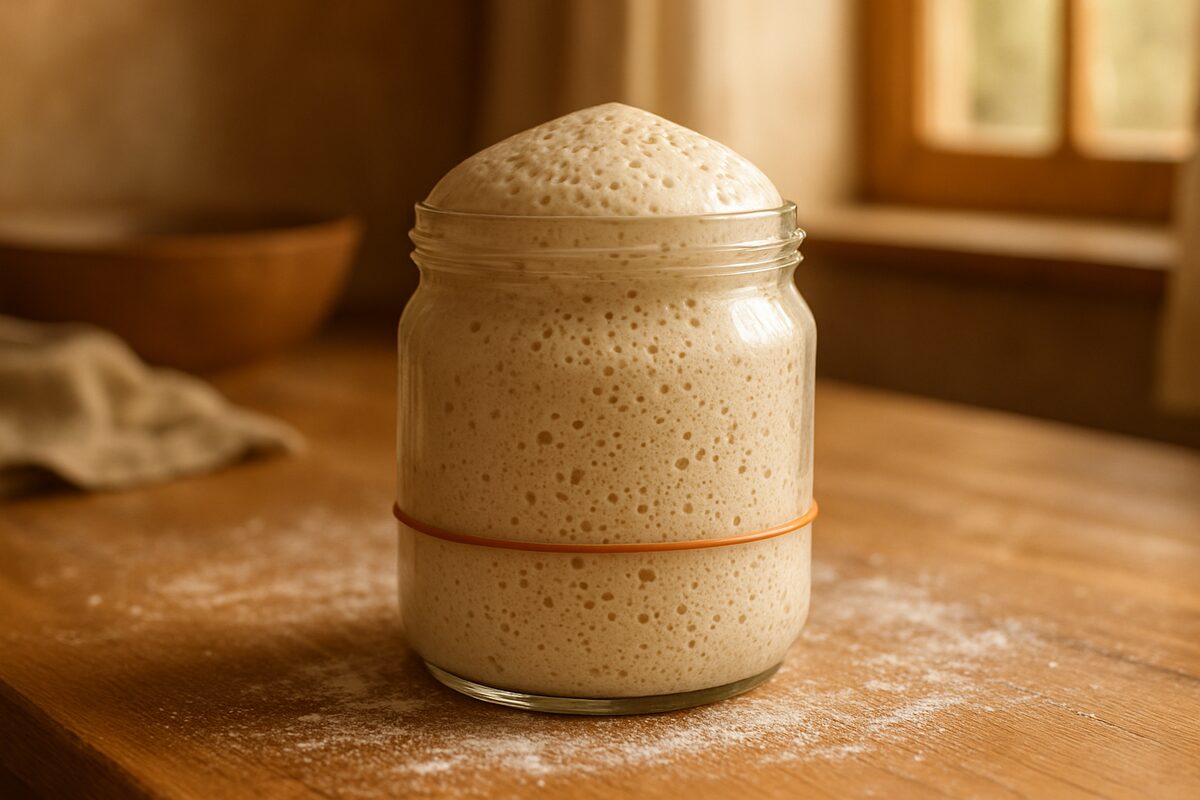
When Is My Sourdough Starter Ready to Bake With?
The doubling test, bubbles, dome and smell, and why the float test misleads people.
Read the guide →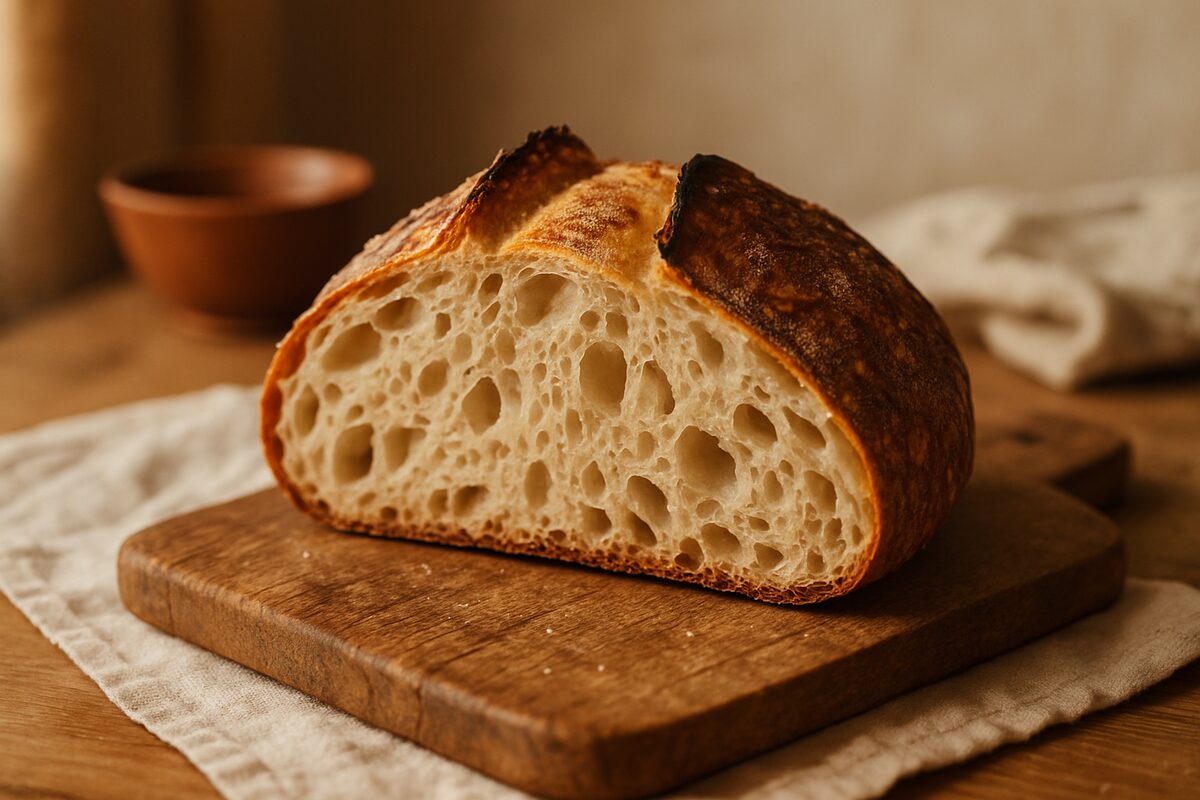
Your First Sourdough Loaf: a Forgiving Beginner Recipe
A forgiving overnight loaf with real gram weights and a schedule that fits a working day.
Read the guide →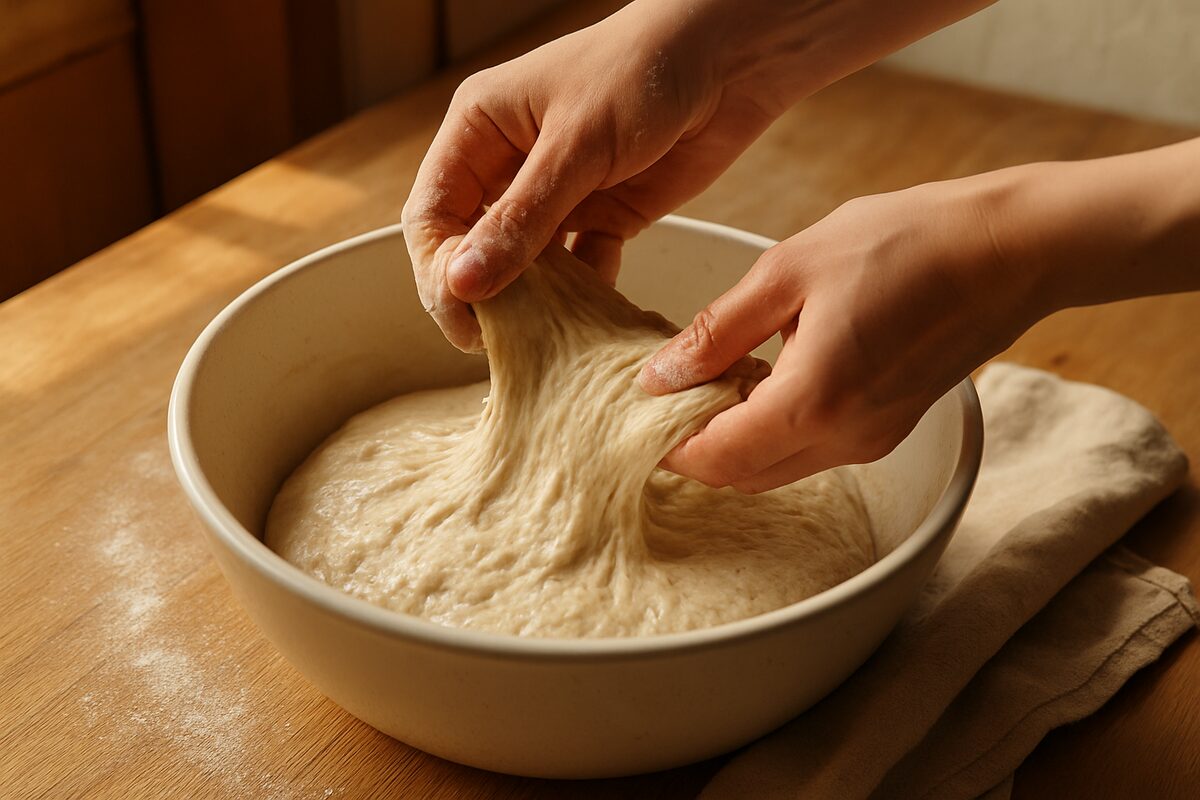
Stretch and Fold: the Gentle Way to Strong Sourdough
How to do one set, how many you need, and how far apart during bulk fermentation.
Read the guide →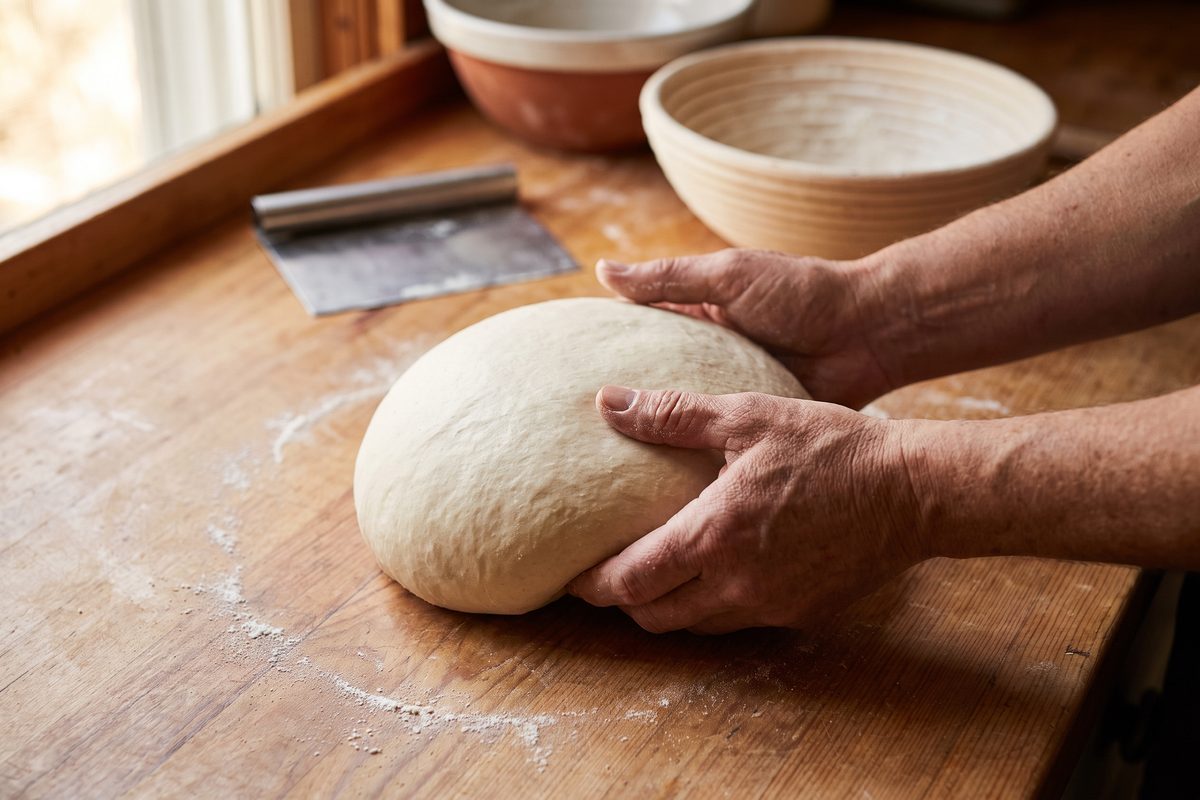
How to Shape Sourdough: Boule and Batard
Pre-shape, bench rest, then build a taut skin. The boule and the batard, step by step.
Read the guide →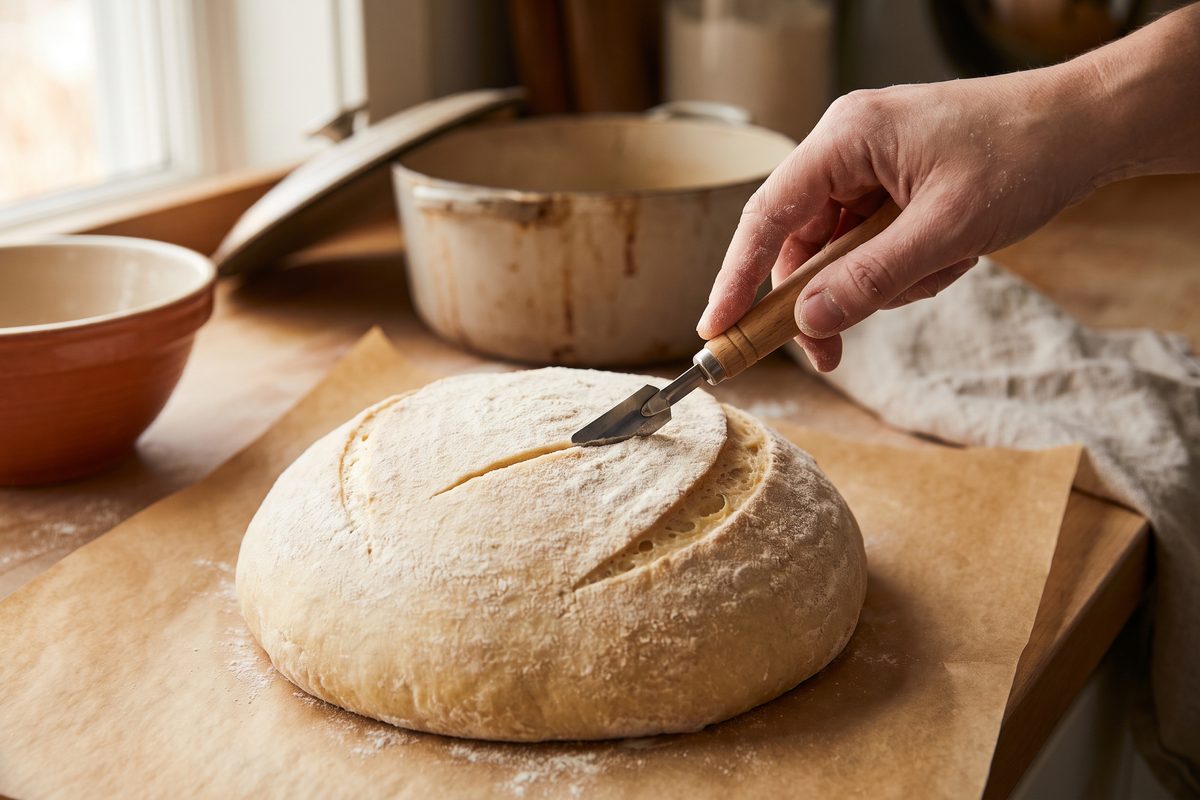
How to Score Sourdough Bread
Which blade, what angle for an ear, how deep to cut, and why cold dough scores cleanly.
Read the guide →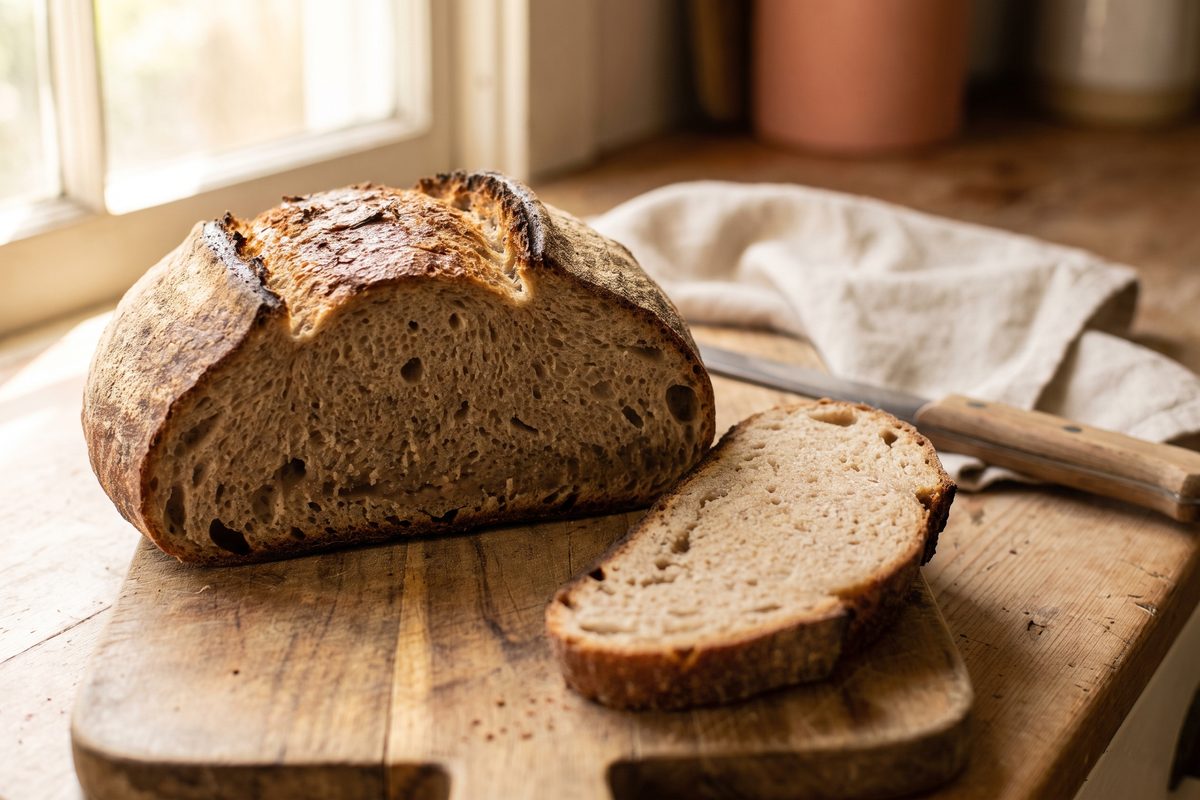
Why Is My Sourdough Dense or Gummy?
Read the crumb to find the cause: under-fermented, over-fermented, underbaked or cut too soon.
Read the guide →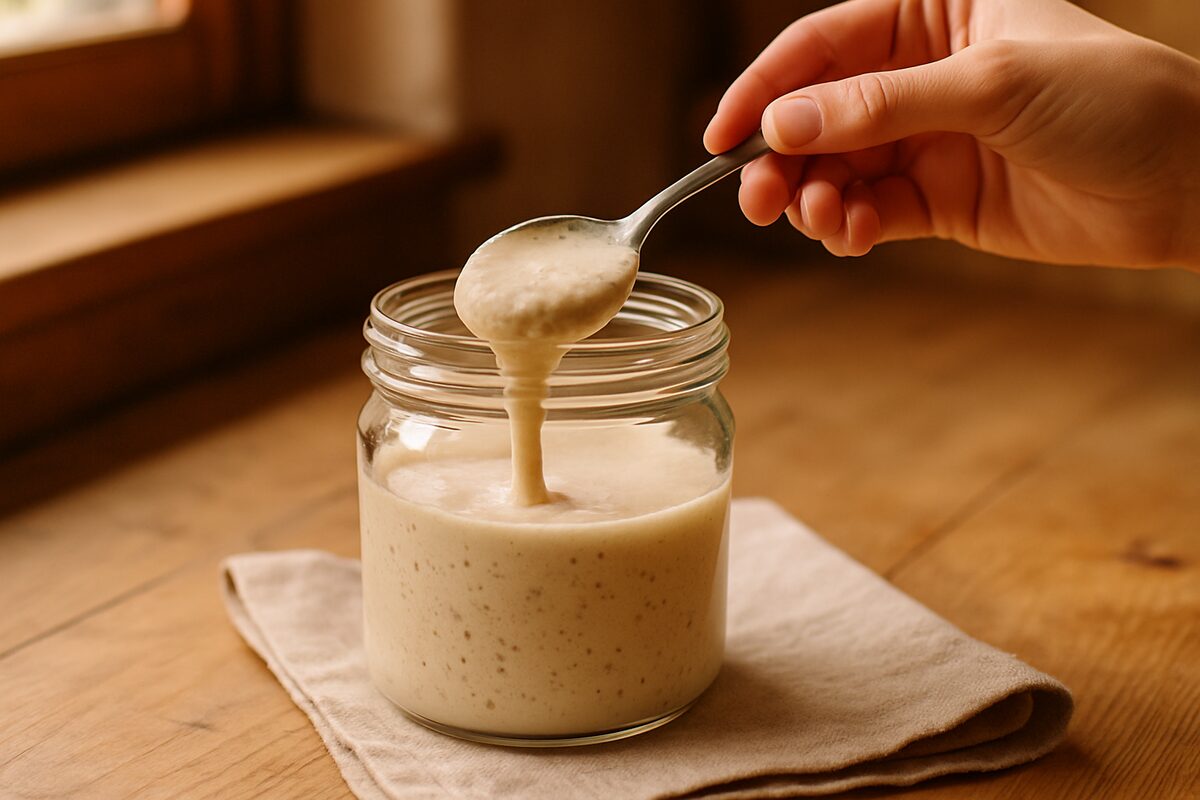
What to Do with Sourdough Discard
Store it, bake with it, or simply make less of it. Discard is an ingredient, not waste.
Read the guide →
Your starter, tracked
Sourdoughy turns these guides into a routine: photograph your starter for an AI read on its stage, get feeding reminders sized to your kitchen, and a fold timer that rings for every set.
Download Sourdoughy free